

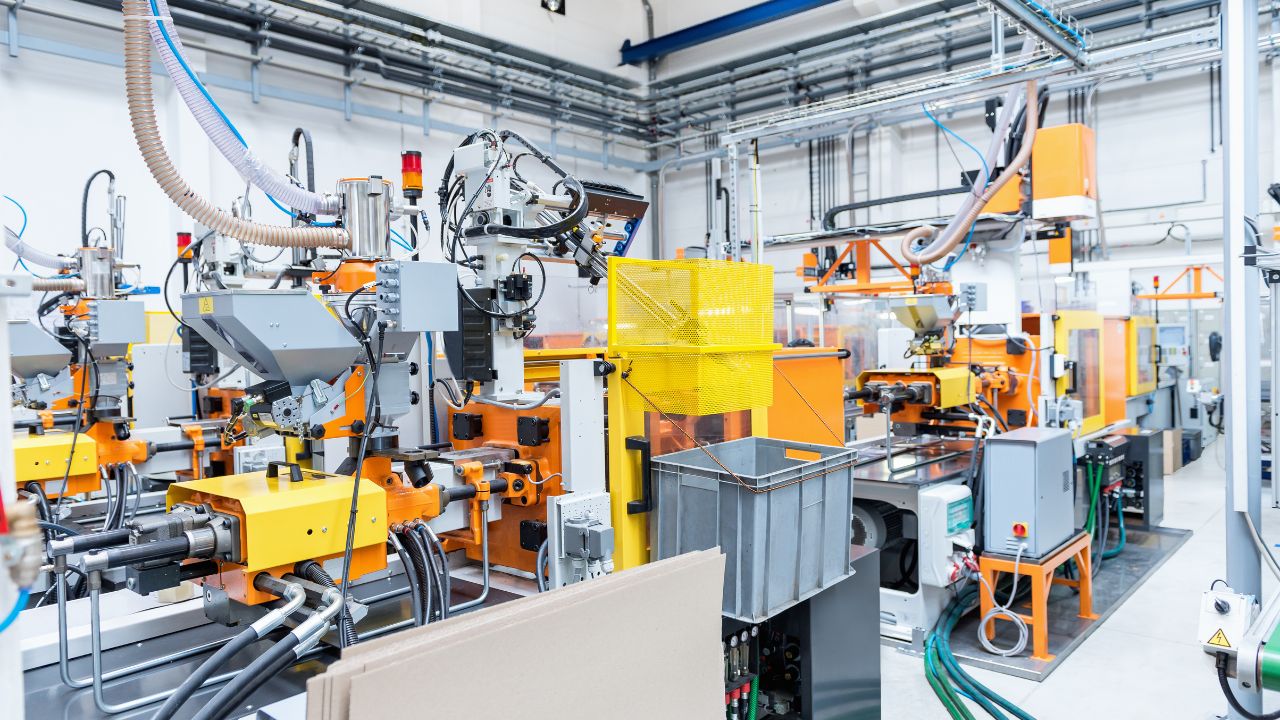
Manufacture is the process of transforming raw materials, components, or semi-finished goods into finished products that meet the demands of consumers and businesses. It forms the foundation of industrial economies, driving employment, innovation, and technological advancement. Understanding manufacture involves examining its methods, technologies, challenges, and strategic importance in a globalized economy.
Understanding Manufacture
Manufacture is more than simply producing goods; it is the orchestration of processes, systems, and human resources to deliver value efficiently. Modern manufacturing integrates design, engineering, quality control, and logistics to meet market demands while minimizing waste and costs.
Key aspects of manufacture include:
- Production Planning: Designing the workflow, schedules, and resource allocation to optimize output.
- Process Optimization: Ensuring each step, from raw material handling to assembly, is efficient and consistent.
- Quality Control: Implementing standards and checks to maintain product integrity and customer satisfaction.
- Technology Integration: Employing machinery, automation, and software to enhance productivity.
Manufacture spans industries such as automotive, electronics, pharmaceuticals, food processing, textiles, and heavy machinery, reflecting its universal impact on daily life.
Types of Manufacturing Processes
Manufacturing processes vary based on product complexity, production volume, and required precision. Understanding these processes is essential for optimizing operations and reducing costs.
1. Mass Production
Mass production focuses on high-volume, standardized products, emphasizing efficiency and uniformity.
- Key Features: Assembly lines, standardized components, mechanized production.
- Advantages: Economies of scale, consistent quality, rapid output.
- Examples: Automobiles, electronics, consumer appliances.
2. Batch Production
Batch production produces goods in defined quantities, offering flexibility without sacrificing efficiency.
- Key Features: Limited runs, changeable configurations, shared equipment.
- Advantages: Adaptable to market demand, manageable inventory, suitable for seasonal products.
- Examples: Bakery goods, pharmaceutical batches, specialized clothing.
3. Custom Manufacturing
Custom manufacturing focuses on unique, one-off products tailored to individual specifications.
- Key Features: High customization, skilled labor, intricate processes.
- Advantages: Personalization, high-value products, niche market advantage.
- Examples: Luxury yachts, custom machinery, bespoke furniture.
4. Continuous Production
Continuous production is a 24/7 process primarily used for materials that require uninterrupted processing.
- Key Features: Automated systems, minimal human intervention, process control technology.
- Advantages: Consistent quality, efficiency in bulk production, reduced downtime.
- Examples: Steel, paper, chemicals, cement.
5. Lean Manufacturing
Lean manufacturing is a philosophy aimed at reducing waste while maximizing value.
- Key Features: Just-in-time production, value stream mapping, employee empowerment.
- Advantages: Reduced operational costs, improved efficiency, enhanced product quality.
- Examples: Automotive assembly, electronics production, consumer goods.
Key Elements of Modern Manufacture
Materials and Supply Chain
Raw materials are the backbone of manufacturing. Efficient supply chain management ensures timely delivery, cost control, and continuity of production.
- Material Sourcing: Identifying reliable suppliers and alternative sources to avoid disruptions.
- Inventory Management: Balancing stock levels to reduce holding costs without risking shortages.
- Logistics Coordination: Streamlining transport, storage, and distribution to support production schedules.
Technology and Automation
Technological integration is central to modern manufacturing, enhancing precision, productivity, and scalability.
- Automation: Robotics and automated machinery reduce human error and improve speed.
- Computer-Aided Design (CAD): Optimizes product design for functionality and manufacturability.
- Computer-Aided Manufacturing (CAM): Translates designs into automated production instructions.
- Industrial IoT: Connected devices monitor production lines for real-time optimization and predictive maintenance.
Workforce and Skills
A skilled workforce is essential for operating complex machinery, maintaining quality standards, and driving innovation.
- Technical Expertise: Knowledge of machinery, software, and materials science.
- Problem-Solving Skills: Ability to troubleshoot production issues quickly.
- Collaboration and Communication: Essential for coordination across departments and with suppliers.
Quality Control and Assurance
Quality is non-negotiable in manufacturing. Implementing rigorous control systems ensures products meet safety, regulatory, and customer expectations.
- Standards Compliance: ISO certifications, FDA approvals, and industry-specific standards.
- Inspection Protocols: Routine testing at various production stages.
- Continuous Improvement: Lean Six Sigma and Kaizen methodologies enhance process efficiency and product quality.
Challenges in Manufacturing
Despite technological advancements, the manufacturing sector faces several challenges:
- Global Competition: Manufacturers must optimize costs while competing with low-cost international producers.
- Resource Scarcity: Limited availability of raw materials or skilled labor can constrain production.
- Environmental Regulations: Compliance with environmental standards can increase operational complexity.
- Technological Change: Rapid innovation requires ongoing investment in machinery, software, and workforce training.
- Supply Chain Disruptions: Geopolitical tensions, natural disasters, or pandemics can halt production.
Successful manufacturers address these challenges through strategic planning, risk management, and investment in technology and workforce development.
Trends Shaping the Future of Manufacture
Industry 4.0
Industry 4.0 represents the fusion of cyber-physical systems, AI, and IoT in manufacturing.
- Impact: Real-time monitoring, predictive maintenance, and smart factories.
- Outcome: Greater efficiency, lower costs, and higher product customization.
Sustainable Manufacturing
Sustainability is becoming a central focus, emphasizing energy efficiency, waste reduction, and environmental responsibility.
- Practices: Renewable energy use, recyclable materials, waste minimization strategies.
- Impact: Reduced environmental footprint and improved corporate reputation.
Additive Manufacturing
Also known as 3D printing, additive manufacturing allows for rapid prototyping and production of complex geometries.
- Advantages: Customization, material efficiency, faster time-to-market.
- Applications: Aerospace, medical implants, automotive parts.
Digital Twin Technology
Digital twins are virtual models of physical assets, allowing manufacturers to simulate and optimize processes.
- Benefits: Enhanced predictive maintenance, process optimization, and risk reduction.
- Applications: Factory layouts, production scheduling, machinery maintenance.
Workforce Transformation
Automation and AI are shifting the skill requirements in manufacturing. The workforce now requires higher technical proficiency and adaptability.
- Training Programs: Upskilling and reskilling initiatives ensure employees remain competitive.
- Collaborative Robotics: Humans working alongside robots enhance productivity and safety.
Case Studies of Innovative Manufacturing
Automotive Industry
Leading automotive manufacturers use lean and agile methodologies to reduce production time while maintaining quality. Robotics, AI, and IoT integration enable predictive maintenance and efficient assembly line management.
Electronics Manufacturing
Consumer electronics companies leverage automated assembly, IoT monitoring, and digital twins to optimize production, minimize defects, and accelerate innovation cycles.
Pharmaceutical Manufacturing
Pharmaceutical manufacturers rely on batch production, strict quality control, and regulatory compliance to ensure drug safety and efficacy. Advanced automation and real-time monitoring improve efficiency and consistency.
Frequently Asked Questions
1. What is the difference between manufacturing and production?
Manufacturing focuses on transforming raw materials into finished goods, while production encompasses all activities that create goods or services, including manufacturing, assembly, and service delivery.
2. How does automation impact manufacturing?
Automation improves efficiency, reduces human error, lowers labor costs, and enables higher precision, allowing manufacturers to scale operations and enhance quality.
3. What role does lean manufacturing play?
Lean manufacturing minimizes waste, optimizes workflow, and increases value for customers while reducing costs and improving productivity.
4. Why is quality control critical in manufacturing?
Quality control ensures products meet safety, regulatory, and customer standards, reducing returns, enhancing brand reputation, and maintaining compliance.
5. How does Industry 4.0 transform manufacturing?
Industry 4.0 introduces smart factories, real-time data monitoring, predictive analytics, and IoT connectivity, enabling efficiency, customization, and agility.
6. What are common challenges in the manufacturing sector?
Challenges include global competition, supply chain disruptions, resource scarcity, technological adoption, and environmental compliance.
7. How can manufacturers achieve sustainability?
By reducing energy consumption, minimizing waste, using eco-friendly materials, and integrating sustainable practices into supply chains.
Manufacture remains the engine that powers economic growth, technological progress, and global trade. By integrating innovation, sustainability, and efficient processes, modern manufacturing continues to evolve, shaping industries and improving the quality of life worldwide.

Comments are closed.