

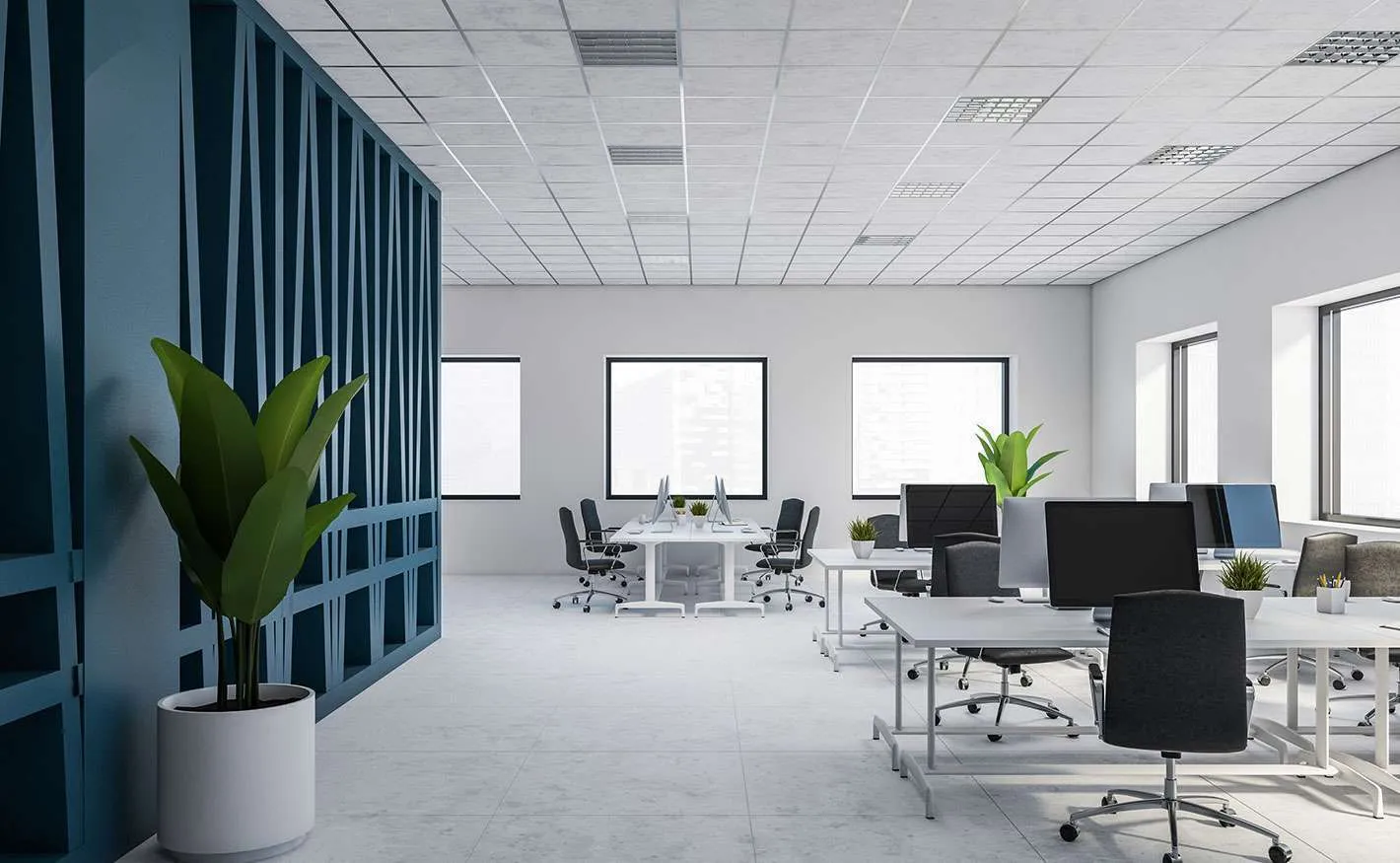
An office is more than just a physical space where work takes place; it is a dynamic environment that facilitates collaboration, productivity, and innovation. In the modern world, offices have evolved from traditional workspaces to flexible environments that accommodate a diverse range of activities, technologies, and work styles. Whether it’s a corporate headquarters, a co-working space, or a home office, the design and function of offices directly impact employee performance, organizational culture, and overall business success.
Understanding the Role of Offices in Business
An office serves as the central hub for most businesses, where employees collaborate, communicate, and contribute to the company’s goals. It is a place where ideas are generated, decisions are made, and strategies are executed. The function of an office goes beyond housing employees; it influences the way work is conducted and contributes to the overall work culture.
- Centralization of Operations: Offices bring together various departments, from finance and marketing to operations and human resources, ensuring coordinated efforts toward common goals.
- Facilitation of Communication: Offices are designed to foster communication between teams, leaders, and external partners.
- Support for Productivity: Well-designed office spaces are essential for optimizing employee productivity by providing ergonomic workstations, quiet areas, and collaborative spaces.
In an increasingly digital and remote-first world, the role of offices is evolving. However, the physical office remains integral to many organizations’ operations, balancing between tradition and modernity.
The Evolution of Office Spaces
Traditional Offices
The traditional office, characterized by cubicles, large desks, and centralized management, has been the standard in corporate environments for decades. This model emphasized hierarchy and compartmentalized workspaces. The design of traditional offices was largely based on the idea of maximizing space for employees, creating a defined separation between departments, and enabling face-to-face collaboration.
- Key Features: Large enclosed offices for executives, cubicles for employees, centralized meeting rooms.
- Advantages: Clear structure, easy monitoring of employees, controlled environment.
- Disadvantages: Limited collaboration, lack of flexibility, outdated for modern work needs.
Open-Plan Offices
The open-plan office emerged as a response to the rigidity of traditional office layouts. The idea was to foster a collaborative environment by removing walls and barriers between employees. Open-plan offices were designed to encourage spontaneous communication, teamwork, and a more relaxed working environment.
- Key Features: Large open spaces, shared workstations, minimal partitions.
- Advantages: Promotes collaboration, encourages social interaction, enhances communication.
- Disadvantages: Noise distractions, lack of privacy, challenges in managing personal space.
Hybrid and Remote Work Environments
With the rise of digital tools and the shift towards remote work, offices have become more flexible. Hybrid work models, where employees split time between home and the office, have gained traction, offering flexibility while maintaining in-person collaboration. Remote work allows employees to perform tasks from virtually anywhere, reducing the need for a traditional office space.
- Key Features: Flexible seating arrangements, hot-desking, virtual communication tools.
- Advantages: Work-life balance, cost savings, improved employee satisfaction.
- Disadvantages: Potential for isolation, challenges in maintaining company culture, technological barriers.
Co-Working Spaces
Co-working spaces have grown in popularity, particularly among freelancers, startups, and remote workers. These spaces provide a collaborative environment, shared resources, and networking opportunities, while offering the flexibility of short-term leases. Co-working spaces cater to a range of professionals who may not require a full office but need a dedicated work environment.
- Key Features: Shared desks, communal areas, access to amenities like Wi-Fi and printing services.
- Advantages: Cost-effective, flexibility, networking opportunities.
- Disadvantages: Limited privacy, less control over the environment, may not be suitable for all businesses.
Key Elements of Effective Office Design
The design of an office directly impacts employee satisfaction, efficiency, and overall organizational culture. Well-designed offices prioritize functionality, comfort, and aesthetics to create a work environment that supports employee well-being and organizational objectives.
Ergonomics and Comfort
Ergonomically designed office furniture and workstations are crucial for employee health and productivity. Poor posture, discomfort, and lack of ergonomic support can lead to physical strain, impacting performance and increasing absenteeism. Providing adjustable chairs, sit-stand desks, and proper lighting can significantly improve comfort.
- Benefits: Reduced risk of injury, improved focus, greater employee well-being.
Collaborative Spaces
As the nature of work becomes more collaborative, offices need spaces that encourage teamwork. Open areas, meeting rooms, and lounges provide employees with a conducive environment for brainstorming, discussions, and creative work.
- Benefits: Enhances teamwork, improves problem-solving, fosters innovation.
- Examples: Breakout areas, conference rooms, innovation hubs.
Private Spaces
While collaboration is essential, employees also need private spaces for focused work and confidential tasks. Offices should include quiet zones, soundproof rooms, and private offices where employees can concentrate without distractions.
- Benefits: Increases productivity, allows for deep work, ensures confidentiality.
- Examples: Private offices, quiet rooms, telephone booths.
Aesthetics and Branding
The visual appeal of an office can contribute to employee morale and brand identity. Thoughtful design choices, including color schemes, art, and the use of natural light, create an inviting and inspiring environment. The office space should also reflect the company’s values and culture.
- Benefits: Enhances brand image, boosts employee morale, creates a welcoming atmosphere.
- Examples: Custom artwork, branded spaces, biophilic design elements.
The Future of Office Spaces
As businesses adapt to new work trends, office spaces will continue to evolve. The future of offices lies in flexibility, employee well-being, and technological integration.
Flexibility and Hybrid Models
The hybrid work model is likely to continue growing, offering employees flexibility while maintaining a physical office space for collaboration. Offices will be designed to accommodate a mix of in-office and remote employees, with flexible workstations and collaborative zones.
- Trends: Hot-desking, flexible hours, virtual collaboration tools.
- Impact: Increases work-life balance, enhances employee satisfaction, promotes collaboration.
Smart Offices
Smart office technologies will enable seamless integration of digital tools to enhance efficiency. IoT devices, smart lighting, and climate control systems will optimize the office environment based on real-time data, improving comfort and reducing energy costs.
- Technologies: Smart thermostats, AI-powered scheduling systems, sensors for occupancy.
- Benefits: Reduced energy consumption, improved convenience, greater sustainability.
Sustainability and Green Design
Sustainability will be a key focus in future office design. Energy-efficient buildings, sustainable materials, and eco-friendly practices will become standard as organizations aim to reduce their carbon footprint and promote environmental responsibility.
- Trends: Green roofs, solar panels, sustainable construction materials.
- Impact: Cost savings on energy, improved corporate social responsibility, better health outcomes for employees.
The Importance of Office Culture
Office culture plays a significant role in shaping the work environment. A positive culture encourages employee engagement, fosters collaboration, and enhances job satisfaction. The design and management of the office space can significantly influence organizational culture by promoting open communication, inclusivity, and employee well-being.
- Key Aspects of Office Culture: Clear communication, employee recognition, work-life balance, and leadership support.
- Impact: Improves employee retention, drives innovation, attracts top talent.
Frequently Asked Questions
1. How has the office environment changed in recent years?
The office environment has become more flexible, with the rise of hybrid work models, co-working spaces, and remote work. Offices are now designed to support both collaboration and individual work, focusing on employee well-being and technological integration.
2. What are the benefits of open-plan offices?
Open-plan offices encourage communication, teamwork, and spontaneous interactions. They are ideal for fostering a collaborative environment and breaking down barriers between departments.
3. What are the challenges of hybrid work models?
Hybrid work models can present challenges in maintaining company culture, managing communication, and ensuring that employees working remotely feel connected and included in team activities.
4. How does office design impact productivity?
Office design affects employee comfort, focus, and morale. A well-designed office with ergonomic furniture, collaborative spaces, and private areas promotes productivity, reduces stress, and enhances creativity.
5. What are the future trends in office design?
Future office trends include increased flexibility, integration of smart technologies, sustainability initiatives, and spaces designed for collaboration and employee well-being. These trends will shape the office of tomorrow, making it more adaptable, efficient, and eco-friendly.
6. Why is office culture important for businesses?
Office culture affects employee engagement, retention, and overall performance. A positive office culture fosters collaboration, innovation, and a sense of belonging, leading to higher productivity and job satisfaction.
7. How can offices be more sustainable?
Offices can become more sustainable by incorporating energy-efficient designs, using eco-friendly materials, minimizing waste, and promoting green initiatives like recycling and renewable energy sources.
Offices are not just places where work happens; they are environments that shape the way employees engage, collaborate, and innovate. As companies continue to embrace flexibility, sustainability, and technology, the office of the future will continue to evolve, supporting businesses and enhancing the work experience.

Comments are closed.