

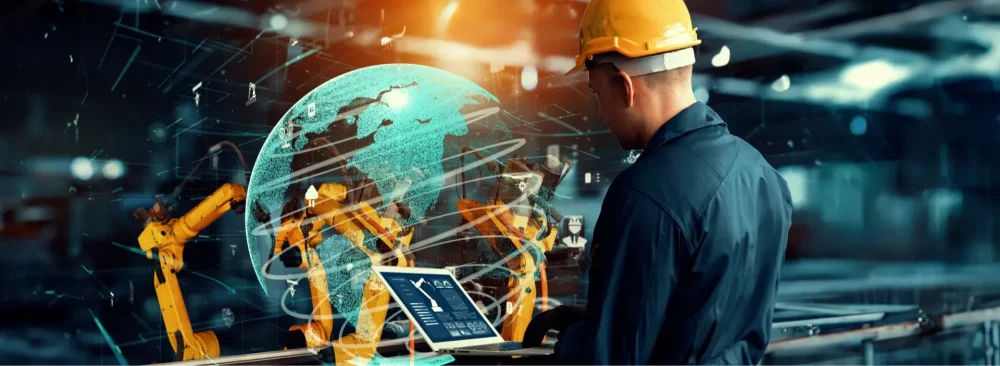
Industry is the organized production of goods and services within an economy, encompassing everything from manufacturing and mining to technology and services. It represents the driving force behind economic development, employment generation, and societal advancement. The study of industry is crucial for understanding global trade, technological progress, labor markets, and sustainable development.
Industries not only contribute to national GDP but also shape the social and environmental landscape. Their growth is influenced by multiple factors, including technological innovation, consumer demand, regulatory frameworks, and global competition. Understanding the dynamics of industries is essential for investors, policymakers, entrepreneurs, and professionals seeking long-term economic and career opportunities.
Classification of Industries
Industries are broadly categorized based on the nature of economic activity. Each category serves a unique role in supporting the economy.
Primary Industry
Primary industries extract natural resources directly from the environment. They form the foundation of all economic activity by providing raw materials for secondary and tertiary industries.
- Agriculture: Production of crops, livestock, and related products.
- Mining: Extraction of minerals, coal, oil, and natural gas.
- Fishing and Forestry: Harvesting fish and timber for consumption and industrial use.
Primary industries are highly dependent on environmental conditions and natural resource availability, making sustainability practices vital for long-term viability.
Secondary Industry
Secondary industries convert raw materials into finished or semi-finished products. This sector includes both traditional manufacturing and modern industrial production.
- Manufacturing: Automotive, electronics, machinery, textiles, and chemical production.
- Construction: Buildings, infrastructure, and industrial facilities.
- Energy Production: Power generation from fossil fuels, nuclear, and renewable sources.
Secondary industries play a key role in job creation, technological innovation, and economic diversification. Advanced manufacturing increasingly relies on automation, robotics, and AI-driven processes.
Tertiary Industry
Tertiary industries provide services rather than tangible products. They bridge the gap between producers and consumers, facilitating the distribution, maintenance, and enhancement of goods and services.
- Retail and Wholesale Trade: Distribution of goods to end users.
- Finance and Banking: Investment, credit, and monetary transactions.
- Healthcare and Education: Essential social services that improve quality of life.
- Information Technology: Software development, cloud services, and cybersecurity.
The tertiary sector has grown exponentially with the rise of digitalization, urbanization, and global consumer demand.
Quaternary and Quinary Industries
These emerging classifications focus on knowledge-based and high-level decision-making sectors.
- Quaternary Industry: Research, data analysis, consulting, and innovation-driven activities.
- Quinary Industry: Executive decision-making, policy development, nonprofit leadership, and high-level management.
Knowledge-intensive industries are becoming central to economic competitiveness, especially in developed nations.
Factors Influencing Industry Growth
Understanding what drives industry growth is crucial for strategic planning and investment.
Technological Innovation
Technological advancements transform industrial processes, improve efficiency, and create new markets. Examples include automation in manufacturing, AI in logistics, and biotechnology in agriculture.
Market Demand
Consumer preferences, income levels, and global trends directly impact industry growth. Industries must adapt to changing demand patterns to remain competitive.
Regulatory Environment
Government policies, trade agreements, and environmental regulations influence industrial expansion. Compliance with legal standards ensures sustainability and long-term stability.
Labor and Skills
Availability of skilled labor affects production quality, innovation, and operational efficiency. Continuous training and education are critical to maintaining workforce competitiveness.
Globalization
Global trade agreements, foreign investment, and international supply chains expand market access but also increase competition. Industries must balance local production with global integration.
Technological Transformation in Industries
Modern industries are increasingly driven by technology, shaping efficiency, productivity, and innovation.
Automation and Robotics
Industrial robots and automated systems streamline production, reduce human error, and lower operational costs. Robotics is particularly prevalent in automotive, electronics, and pharmaceutical manufacturing.
Artificial Intelligence and Data Analytics
AI algorithms optimize supply chains, forecast demand, and enhance decision-making. Predictive analytics allows industries to anticipate market shifts and mitigate risks effectively.
Internet of Things (IoT)
IoT devices monitor machinery, track inventory, and improve operational efficiency. Sensors and connected devices create smarter, more responsive industrial systems.
Sustainable and Green Technology
Industries are adopting renewable energy, eco-friendly materials, and circular economy principles to minimize environmental impact and comply with global sustainability standards.
Challenges Facing Modern Industries
Industries operate in complex, dynamic environments, and several challenges can impede growth and efficiency.
Environmental Sustainability
Resource depletion, pollution, and climate change pressure industries to adopt sustainable practices. Transitioning to green technologies can be costly but is essential for long-term viability.
Global Competition
Industries must contend with international competitors, fluctuating trade policies, and currency volatility. Differentiation and innovation are key to maintaining market share.
Supply Chain Disruptions
Natural disasters, geopolitical tensions, and pandemics can interrupt supply chains, leading to production delays and financial losses. Risk management and diversification are critical.
Workforce Adaptation
The shift toward knowledge-based and technology-driven industries requires continuous workforce reskilling. Organizations must invest in training and talent retention strategies.
Regulatory Compliance
Industries must navigate complex legal and safety regulations. Non-compliance can result in financial penalties, reputational damage, and operational restrictions.
Industry and Economic Development
Industries are the backbone of economic growth and societal progress. They contribute to:
- GDP Growth: Industrial output is a primary component of national income.
- Employment Generation: Industries provide jobs across skill levels, boosting income and social mobility.
- Technological Advancement: Industrial research and development drive innovation in products, services, and processes.
- Trade Balance: Export-oriented industries strengthen foreign exchange reserves and trade positioning.
- Infrastructure Development: Industrial growth stimulates transportation, energy, and urban infrastructure improvements.
Future Trends in Industry
The future of industry is shaped by technological evolution, sustainability imperatives, and global economic shifts.
- Industry 4.0: Integration of cyber-physical systems, smart factories, and digital networks in industrial production.
- Circular Economy: Redesigning products and processes for minimal waste and resource regeneration.
- Globalized Collaboration: Cross-border partnerships and shared innovation hubs enhance competitiveness.
- Human-Machine Collaboration: Increased reliance on AI and robotics for complex problem-solving and efficiency.
- Sustainable Industrial Practices: Focus on reducing carbon footprint, renewable energy adoption, and eco-friendly manufacturing.
Frequently Asked Questions
1. How do industries impact economic growth?
Industries create jobs, generate income, contribute to GDP, and stimulate infrastructure development. They enable technological progress and trade competitiveness, fueling economic expansion.
2. What are the major sectors of industry?
The main sectors include primary (extraction), secondary (manufacturing), tertiary (services), quaternary (knowledge-based), and quinary (high-level decision-making) industries.
3. How is technology reshaping industries?
Automation, AI, IoT, and data analytics improve efficiency, reduce costs, optimize supply chains, and foster innovation. Industries increasingly rely on technology for competitiveness and sustainability.
4. What challenges do modern industries face?
Key challenges include environmental sustainability, global competition, supply chain disruptions, workforce adaptation, and regulatory compliance.
5. What is the role of industry in sustainable development?
Industries adopting green technologies, renewable energy, and circular economy principles help reduce environmental impact, conserve resources, and promote long-term economic resilience.
6. How do globalization and trade affect industries?
Globalization expands market access, facilitates foreign investment, and encourages technological collaboration, but it also increases competition and exposure to geopolitical risks.
7. What trends will define the future of industry?
Industry 4.0, sustainability practices, human-machine collaboration, and global innovation networks will shape industrial evolution, productivity, and competitiveness.
Industries are the backbone of global economies, blending technology, human capital, and innovation to drive progress. Their evolution reflects broader societal changes, and understanding industry dynamics is crucial for strategic planning, economic development, and sustainable growth.

Comments are closed.