

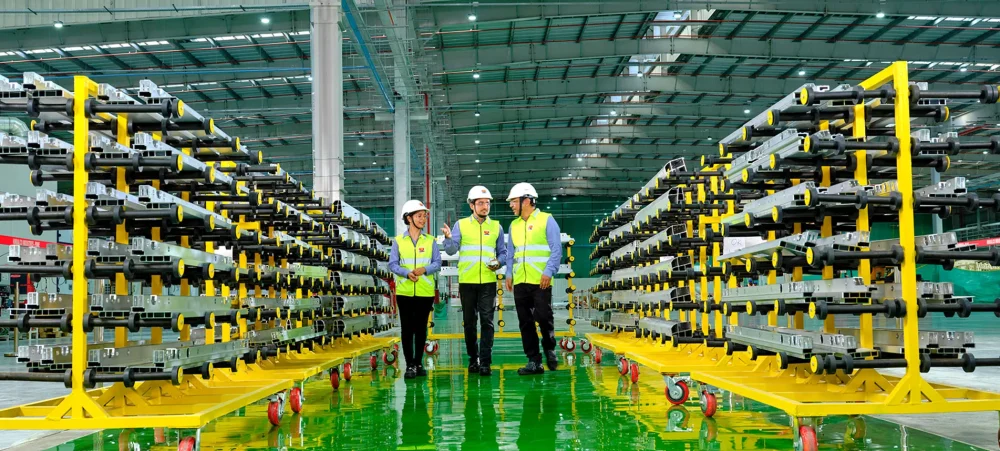
The concept of Industry is central to understanding how modern economies function. Industries encompass the organized production of goods and services, structured processes, and technological innovation that together drive economic development. From manufacturing to digital technology, industries form the backbone of employment, innovation, and societal advancement.
Understanding the Concept of Industry
An industry refers to a group of companies or organizations that produce similar products or provide similar services. Industries are classified based on their output, processes, or economic function, and they serve as essential pillars of the global economy.
- Economic Function: Industries contribute to GDP, create employment opportunities, and facilitate trade.
- Specialization: Companies within the same industry often specialize in certain processes or products to maximize efficiency.
- Innovation and Development: Industries drive technological advancements and new business models through research and development.
The study of industries allows policymakers, investors, and business leaders to identify growth opportunities, optimize resource allocation, and anticipate market trends.
Classification of Industries
Industries are categorized into three primary sectors:
Primary Industry
Primary industries involve the extraction and production of raw materials from natural resources.
- Examples: Agriculture, mining, forestry, fishing, and oil extraction.
- Economic Role: Provides raw materials for manufacturing and energy production.
- Challenges: Dependence on natural resources, susceptibility to environmental changes, and sustainability concerns.
Secondary Industry
Secondary industries transform raw materials into finished goods through manufacturing and construction.
- Examples: Automobile production, electronics manufacturing, textile production, and construction.
- Economic Role: Adds value to raw materials and facilitates trade by producing consumer and industrial goods.
- Trends: Automation, smart manufacturing, and green building practices are increasingly influencing secondary industries.
Tertiary Industry
Tertiary industries focus on providing services rather than tangible goods.
- Examples: Healthcare, education, finance, transportation, hospitality, and IT services.
- Economic Role: Supports the functionality of other industries and enhances the quality of life.
- Growth: Digitalization, e-commerce, and global service outsourcing are major trends shaping the tertiary sector.
Quaternary and Quinary Industries
Quaternary industries involve knowledge-based services such as research, information technology, and consultancy, while quinary industries focus on high-level decision-making and innovation-driven activities such as executive management, scientific research, and policy formulation.
- Quaternary Industry Examples: Data analytics firms, software development, research institutions.
- Quinary Industry Examples: Government agencies, CEOs of major corporations, advanced scientific labs.
The Role of Industry in Economic Development
Industries are critical for driving economic growth and improving living standards. Their impact can be examined through several dimensions:
Employment Generation
Industries create jobs across skill levels, from factory workers to software engineers and research scientists. Employment in industry sectors reduces poverty, promotes skill development, and strengthens social mobility.
Innovation and Technology Advancement
Industries fuel technological progress by investing in research and development, creating patents, and introducing new production techniques. For example, the automobile and electronics industries have revolutionized transportation and communication through continuous innovation.
Global Trade and Economic Integration
Industrial output contributes to exports, foreign direct investment, and global trade networks. Countries with strong industrial bases often have competitive advantages in international markets.
Infrastructure Development
Industrial growth often necessitates infrastructure development, including transportation networks, energy systems, and logistics hubs, which benefits the broader economy.
Environmental and Social Impact
Industries influence society and the environment. Sustainable industrial practices, green manufacturing, and corporate social responsibility initiatives help mitigate negative impacts and promote ethical standards.
Modern Industrial Trends
Industry 4.0 and Automation
The fourth industrial revolution integrates digital technologies, artificial intelligence, and the Internet of Things into manufacturing and production processes.
- Smart Factories: Use of AI, robotics, and sensor networks for real-time monitoring and optimization.
- Predictive Maintenance: Reduces downtime and improves efficiency by predicting machinery failures.
- Digital Twins: Virtual models of production systems enable simulation, optimization, and innovation.
Sustainable and Green Industries
Environmental concerns are reshaping industrial operations, emphasizing sustainable production, reduced carbon footprints, and resource efficiency.
- Renewable Energy Industry: Solar, wind, and hydroelectric industries are expanding rapidly.
- Circular Economy: Industries are adopting recycling, waste reduction, and sustainable material sourcing.
- Eco-Friendly Manufacturing: Integration of cleaner technologies in manufacturing to minimize pollution.
Globalization and Supply Chain Integration
Industries operate within complex global supply chains, leveraging international labor, resources, and markets.
- Offshoring and Outsourcing: Companies relocate certain operations to reduce costs and access specialized expertise.
- Trade Agreements: Facilitate industrial growth by reducing barriers and enhancing global market access.
- Resilient Supply Chains: Recent events like the COVID-19 pandemic have highlighted the need for adaptable and diversified supply chains.
Digital Transformation
Industries increasingly rely on digital tools to optimize operations, enhance customer engagement, and drive data-driven decision-making.
- E-Commerce Platforms: Enable companies to reach global consumers efficiently.
- Data Analytics: Assists in market research, product innovation, and predictive forecasting.
- Cloud Computing and Automation: Streamlines processes, reduces costs, and increases scalability.
Industrial Challenges
Industries face numerous challenges that require strategic management and adaptation:
- Resource Scarcity: Limited availability of raw materials can constrain production.
- Technological Disruption: Rapid technological change can make existing processes or products obsolete.
- Regulatory Compliance: Industries must navigate complex local and international regulations.
- Labor Management: Recruiting, training, and retaining skilled workers remains critical.
- Environmental Sustainability: Industrial processes must balance growth with environmental protection and ethical responsibility.
Case Studies of Industry Impact
Automotive Industry
The automotive industry exemplifies industrial innovation and economic influence. It drives employment, technological advancement in electric vehicles, autonomous driving, and supply chain networks. This industry also contributes to urban planning and infrastructure development.
Information Technology Industry
The IT industry revolutionizes global communication, business operations, and digital economies. Companies in this sector provide software, cloud solutions, cybersecurity, and artificial intelligence services, making IT a crucial driver of innovation.
Renewable Energy Industry
Renewable energy industries address climate change while creating jobs and technological opportunities. The solar and wind energy sectors are expanding globally, demonstrating how industries can balance economic growth with sustainability.
Future of Industries
Industries will continue to evolve with technological progress, societal expectations, and environmental considerations.
- Artificial Intelligence Integration: Enhances decision-making, operational efficiency, and customer personalization.
- Sustainable Industrial Practices: Shift towards zero-waste manufacturing, carbon neutrality, and circular economies.
- Global Collaboration: Cross-border partnerships and knowledge sharing will accelerate innovation and competitiveness.
- Customized Manufacturing: 3D printing and flexible production methods will allow tailored products for individual consumers.
Frequently Asked Questions
1. What is the main difference between primary, secondary, and tertiary industries?
Primary industries extract raw materials, secondary industries manufacture goods from raw materials, and tertiary industries provide services.
2. How do industries contribute to employment?
Industries generate jobs across various skill levels, improve workforce skillsets, and provide career growth opportunities.
3. What role does technology play in modern industries?
Technology enhances efficiency, supports automation, enables innovation, and allows industries to respond quickly to market demands.
4. Why is sustainability important for industries?
Sustainable practices minimize environmental impact, ensure resource availability, enhance brand reputation, and comply with regulatory standards.
5. What are the challenges industries face in globalization?
Challenges include supply chain disruptions, cultural differences, regulatory compliance, competition, and fluctuating trade policies.
6. How do industries impact the economy?
Industries drive GDP growth, stimulate trade, create employment, foster innovation, and develop infrastructure.
7. What trends are shaping the future of industries?
Key trends include Industry 4.0, digital transformation, renewable energy adoption, sustainable manufacturing, and AI-driven decision-making.
Industries are much more than economic entities; they are dynamic systems that shape innovation, societal structures, and global progress. Companies within industries that embrace technology, sustainability, and strategic growth will continue to influence the world profoundly, creating lasting impacts for economies, communities, and individuals.

Comments are closed.