

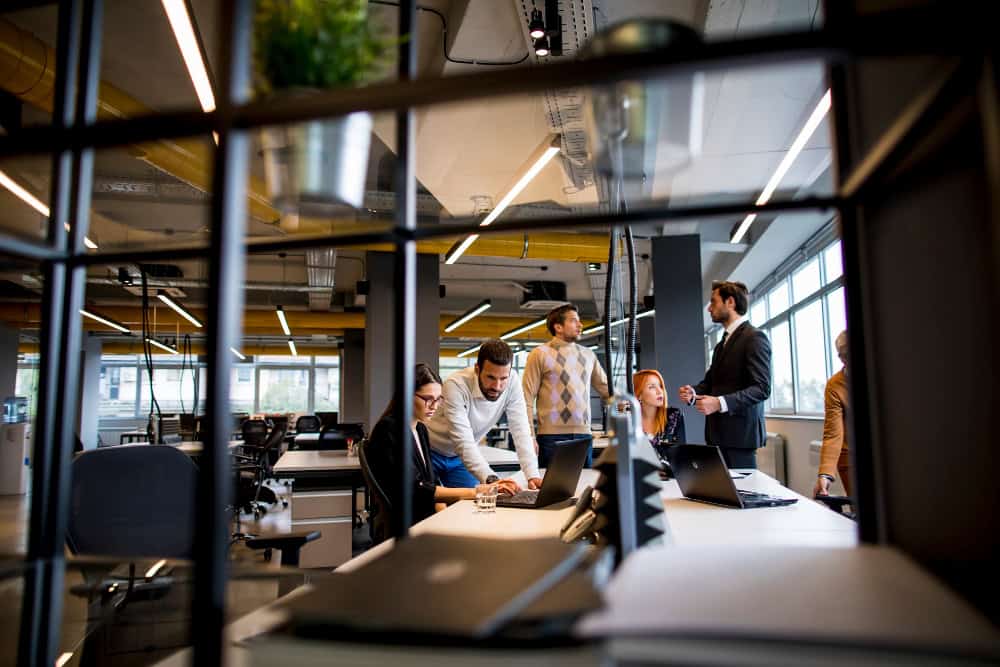
The modern commercial workspace has evolved far beyond a static physical container filled with assigned desks and cubicles. Today, real estate footprints must accommodate flexible work arrangements, support employee health and wellness, integrate smart building automation, and meet stringent sustainability benchmarks. In this transformed environment, facility management has shifted from a back-of-house maintenance function into a core strategic driver of organizational performance, operating cost control, and workforce retention.
Managing a contemporary corporate facility requires balancing daily infrastructure reliability with long-term asset optimization. By adopting forward-looking operational standards, leveraging Internet of Things data, maintaining predictive asset schedules, and creating adaptable spatial layouts, facility executives can build resilient, productive environments that support evolving business needs.
Transitioning from Reactive Maintenance to Predictive Asset Stewardship
Traditional facility maintenance frequently operated on a break-fix model, resolving equipment problems only after a system failed. This reactive posture leads to unplanned downtime, expensive rush repairs, shortened machinery lifespans, and employee disruption. High-performing facility management programs replace reactive habits with automated, data-driven predictive maintenance.
-
Deploying IoT Vibration and Thermal Sensors: Mounting wireless condition-monitoring sensors to primary heating, ventilation, and air conditioning (HVAC) chillers, water pumps, air handlers, and electrical switchgear tracks operational telemetry continuously. Unusual vibration patterns, heat anomalies, or electrical spikes trigger work orders long before mechanical failure occurs.
-
Computerized Maintenance Management Systems (CMMS): Centralizing all asset data, warranty documentation, maintenance histories, and vendor contracts within a modern CMMS platform automates recurring work orders. Technicians receive scheduled digital tickets based on real-time runtime hours rather than arbitrary calendar dates.
-
Total Asset Lifecycle Tracking: Documenting the exact age, operating efficiency, repair frequency, and depreciation curves of every physical asset enables facility managers to forecast capital replacement cycles accurately, preventing sudden budgetary shortfalls.
Implementing predictive maintenance protocols lowers emergency repair expenditures, extends the usable service life of mechanical systems, and ensures continuous environmental comfort across the corporate portfolio.
Optimizing Dynamic Space Utilization in Hybrid Work Environments
With hybrid work patterns redefining everyday office attendance, fixed spatial assignments often result in vast swathes of empty desks and underutilized square footage. Facility managers must manage dynamic spaces that flex effortlessly alongside changing occupancy levels.
-
Occupancy Sensing and Spatial Analytics: Under-desk heat sensors, ceiling-mounted optical counters, and badge-access logs capture real-time density metrics. Facility leaders analyze these datasets to identify peak usage days, underutilized departmental wings, and heavily congested meeting zones.
-
Desk Hoteling and Room Booking Platforms: Cloud-based reservation software allows hybrid employees to book individual workstations, private focus booths, and collaborative boardrooms on demand. This provides clear visibility into daily occupancy numbers for administrative and cleaning teams.
-
Activity-Based Spatial Zoning: Workspaces should be structured into clear functional neighborhoods. High-focus zones feature acoustic baffles and quiet library rules, while vibrant social cafes, casual lounge clusters, and agile project rooms accommodate louder brainstorming and team alignment sessions.
-
Modular Architectural Walls and Furniture: Installing demountable architectural partition walls, mobile whiteboard dividers, and modular soft seating allows internal facilities teams to reconfigure entire office wings within hours without requiring disruptive drywall construction.
Continuous spatial optimization prevents unnecessary corporate real estate expansion, cuts leasing overhead, and delivers spaces tailored to diverse work styles.
Elevating Indoor Environmental Quality and Wellness Standards
Indoor environmental quality directly influences cognitive performance, workforce productivity, and absenteeism rates. Modern facility best practices treat air quality, natural light, and thermal comfort as vital operational priorities.
| Environmental Metric | Optimal Workplace Standard | Facility Management Strategy |
| Carbon Dioxide Levels | Maintained below 800 parts per million | Demand-controlled ventilation utilizing automated outdoor air dampers |
| Ambient Humidity | Regulated between 30 and 50 percent | Dedicated humidity control systems integrated with main air handling units |
| Acoustic Disruption | Noise levels managed below 45 to 50 decibels | Sound-masking pink noise systems, acoustic wall felt, and ceiling baffles |
| Lighting Quality | Dynamic 2700K to 5000K daylight simulation | Circadian LED lighting systems with automated ambient daylight harvesting |
Modern facilities prioritize high-efficiency filtration, such as MERV 13 or HEPA filter installations, paired with continuous volatile organic compound monitoring. Clean indoor air reduces cognitive fatigue, minimizes winter respiratory contagion, and supports overall employee energy levels throughout the workday.
Driving Sustainability, Energy Efficiency, and Waste Reduction
Commercial buildings represent a significant share of global energy consumption and municipal landfill waste. Modern organizations prioritize environmental stewardship, requiring facility leaders to implement measurable decarbonization and waste diversion strategies.
-
Smart Building Management Systems (BMS): Integrating building automation software allows heating, cooling, and lighting systems to operate strictly according to real-time occupancy and ambient exterior weather. Unoccupied conference rooms and quiet perimeter zones automatically dial back thermal conditioning and shut off ambient lighting.
-
Daylight Harvesting and High-Efficiency Fixtures: Installing full-building LED conversions paired with automated photosensors dims artificial overhead lighting when abundant natural sunlight is detected through exterior windows.
-
Advanced Water Conservation Hardware: Installing low-flow aerators, touchless dual-flush flushometers, and automated smart irrigation systems that adjust landscape watering schedules based on local rainfall forecasts slashes domestic utility consumption.
-
Zero-Waste Diversion Programs: Setting up centralized waste sorting stations with clear visual iconography, compost collection bins in kitchen hubs, and battery and e-waste recycling drop-offs eliminates individual plastic desk trash cans and improves waste diversion rates.
Adopting sustainable operational protocols cuts operating overhead significantly and ensures compliance with tightening municipal building energy performance standards.
Centralizing Vendor Management and Service Level Agreements
A typical corporate facility relies on dozens of third-party specialty contractors, including janitorial crews, security guards, pest control teams, landscaping technicians, and fire suppression inspectors. Uncoordinated vendor operations create service gaps and inflate indirect facility expenses.
-
Standardized Service Level Agreements (SLAs): Vendor contracts must feature unambiguous, measurable performance metrics. Key benchmarks include emergency response windows, preventive inspection frequencies, and clear quality scorecards tied directly to monthly invoice settlements.
-
Single-Source Vendor Consolidation: Sourcing multiple specialized maintenance services across a regional, integrated facilities management partner reduces contract administrative overhead, unlocks volume discounts, and streamlines communication during facility crises.
-
Automated Contractor Safety and Compliance Verification: Digital visitor and contractor check-in systems verify liability insurance certificates, occupational health certifications, and site security clearances before any external technician is granted physical access to mechanical rooms or data centers.
Maintaining tight, structured vendor governance ensures that every service dollar spent translates into consistent, high-standard facility operations.
Frequently Asked Questions
What is the difference between hard facility management and soft facility management?
Hard facility management encompasses the physical, non-negotiable structural and mechanical systems built into a property, such as HVAC machinery, electrical wiring, plumbing, fire protection systems, and structural roofing. Soft facility management covers the human-centric support services that make the workspace pleasant, secure, and functional, including janitorial cleaning, security personnel, landscaping, office catering, and interior plant care.
How does demand-controlled ventilation work to save energy in an office?
Demand-controlled ventilation utilizes optical carbon dioxide sensors installed throughout various office zones to monitor human occupancy in real time. Instead of running HVAC fans at maximum capacity continuously, the building automation system modulates motorized outdoor air dampers, drawing in fresh outside air only when rising occupant density demands it, which lowers fan motor and thermal conditioning energy loads.
What initial steps should a facility manager take when implementing a hot-desking model?
Begin by auditing historical occupancy data for at least sixty to ninety days to determine true average utilization rates. Next, install an intuitive, mobile-friendly desk reservation software, establish clear hygiene standards and clean-desk policies, provide ample personal storage lockers for employees, and ensure every flexible workstation is equipped with universal USB-C docking hubs and adjustable monitor arms.
How do building certifications like LEED and WELL differ in practical facility operations?
LEED (Leadership in Energy and Environmental Design) focuses primarily on building environmental impact, prioritizing energy efficiency, water conservation, material sustainability, and carbon footprint reduction. WELL certification focuses on human health and wellness within the built environment, setting rigorous performance standards for indoor air purity, water quality, natural lighting, nutritional food access, acoustics, and thermal comfort for building occupants.
How should facility managers prepare commercial buildings for extreme weather events?
Establish comprehensive emergency action plans that include annual structural roof inspections, automated backup generator testing under full load, verification of storm-water sump pumps, clear protocol trees for building shutdowns, and pre-negotiated emergency recovery service contracts with local disaster restoration contractors.
What is the role of digital twin technology in modern corporate facility management?
A digital twin is a dynamic, virtual three-dimensional replica of a physical building integrated with live IoT sensor feeds. Facility managers use digital twins to simulate airflow patterns, test hypothetical layout changes, monitor real-time mechanical asset performance, and pinpoint the exact physical location of hidden plumbing or electrical faults inside walls and ceiling cavities without destructive exploration.
How can facilities teams maintain consistent hygiene without overwhelming chemical odors?
Utilize certified green cleaning chemicals, microfiber cleaning textiles, and electrochemically activated water sanitizing systems. These solutions deliver high-level pathogen disinfection without emitting volatile organic compounds or synthetic perfumes that can cause indoor air quality degradation, skin irritation, and respiratory discomfort among employees.

Comments are closed.